 Gear
Gear  Beans
Beans  Roasting
  Brewing
  Recipes

Caffeine (serving: 8 fl oz)
95 mg
Caffeine (mg / fl oz)
11.9
Calories
2
Caffeine strength
Medium
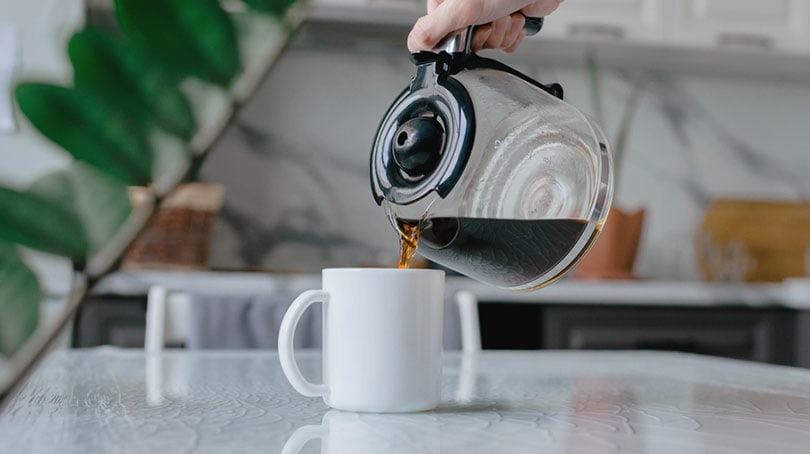
Coffee is a widely popular drink and one of the world’s most consumed beverages, especially in the United States, where it is consumed more regularly than bottled water!1 If you are an avid coffee drinker and consider yourself a regular at Starbucks, you likely have wondered about the caffeine content in your daily brew. Caffeine is a stimulant that increases brain activity; it is no wonder many of us rely on our morning coffee to start the day. In small doses, it can be beneficial and help you focus, but too much of a good thing can have adverse effects too. Regular brewed coffee can contain between 70 and 140 mg of caffeine, with an average of 95 mg per 8-ounce cup. The caffeine content in your morning brew can depend on a few factors; let’s have a look!
How Much Caffeine Does Brewed Coffee Contain?
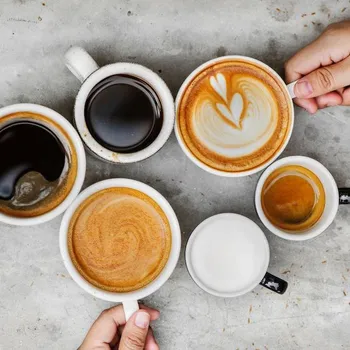
Brewed coffee involves any method of coffee preparation where hot water makes contact with coffee grounds and is steeped for an extended time. The level of caffeine in your cup of coffee depends on a few factors. It can vary depending on brewing techniques, the type of beans, roasting, and serving size. Everyone has a unique metabolism, and the effects of caffeine will vary significantly from person to person, depending on their tolerance and coffee habits. It's recommended that 400 milligrams (mg) of caffeine or less a day is a reasonable dose for the average person. Here is a quick look at the caffeine content depending on the brewing method:
| Method | Serving | Caffeine |
| Drip coffee | 8 oz | 70–140 mg |
| Espresso | 1 shot | 80 mg |
| French press | 8 oz | 80–135 mg |
| AeroPress | Per cup | 50–70 mg |
| Cold brew | 8 oz | 102–159 mg |
| Percolated | 8 oz | 64–272 mg |
| Instant | 8 oz | 30–90 mg |
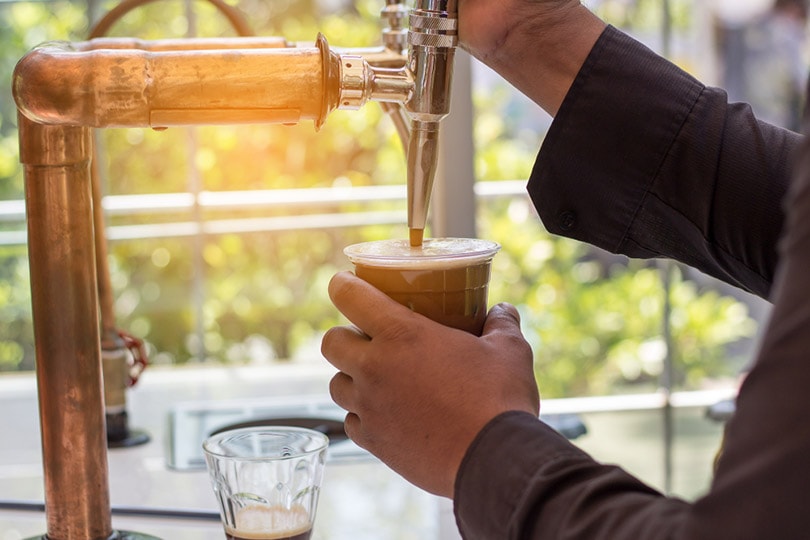
Image By: Happy cake Happy cafe, Shutterstock
Brewed coffee
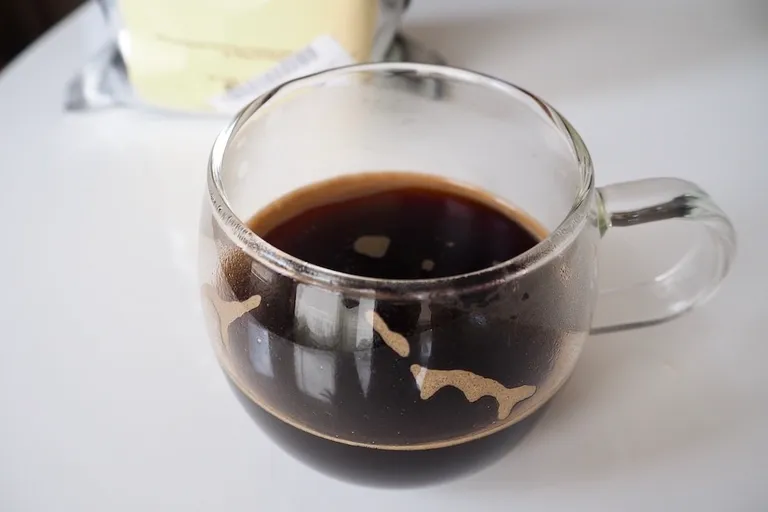
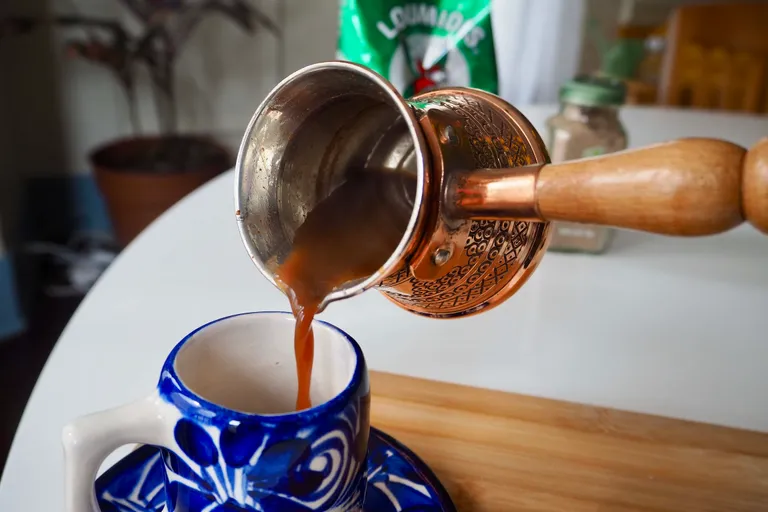
When coffee is brewed, the flavors are extracted with hot water after the beans have been ground. French press coffee and cold brew are brewed through immersion, where the coffee is steeped in water for a longer time. Drip brewing, better known as filter coffee, is where hot water is poured over the grounds to extract the flavor. The longer the grounds are steeped, the higher the amount of caffeine. These methods of brewing can contain 60-180 mg of caffeine.
Espresso
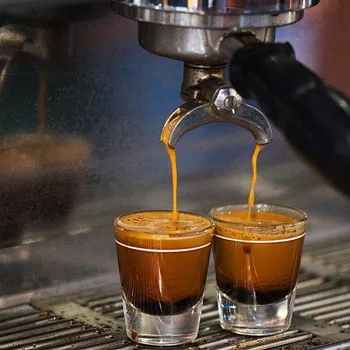
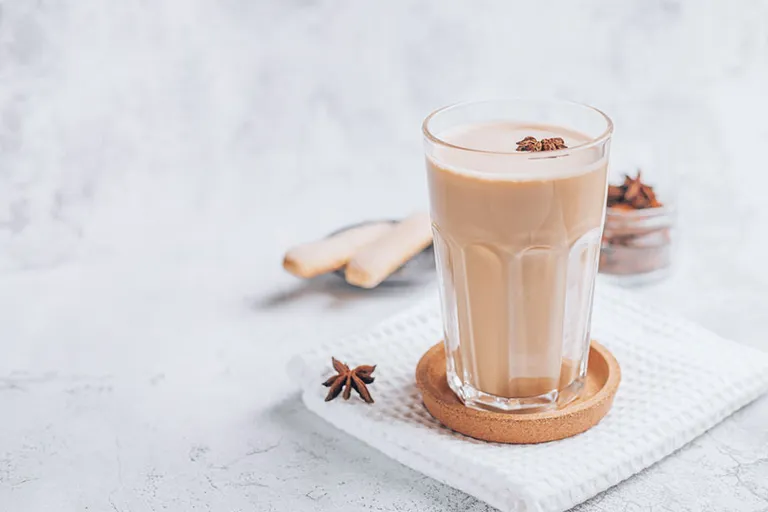
Espresso is a more concentrated shot of coffee and is brewed by forcing hot water through the ground coffee at nine bars of pressure. A single shot of espresso can contain an average of 80mg of caffeine. You would need three shots of espresso to equal the caffeine in an 8-ounce (oz) cup of coffee. Drinks that include espresso with added milk, like cappuccinos and lattes, contain a similar amount of caffeine.
Instant Coffee
Instant coffee contains less caffeine than brewed coffee since it is made by dehydrating the brewed coffee. Hot water is added to the powder or grains for an instant cup of coffee and contains an average of 30–90 mg of caffeine.
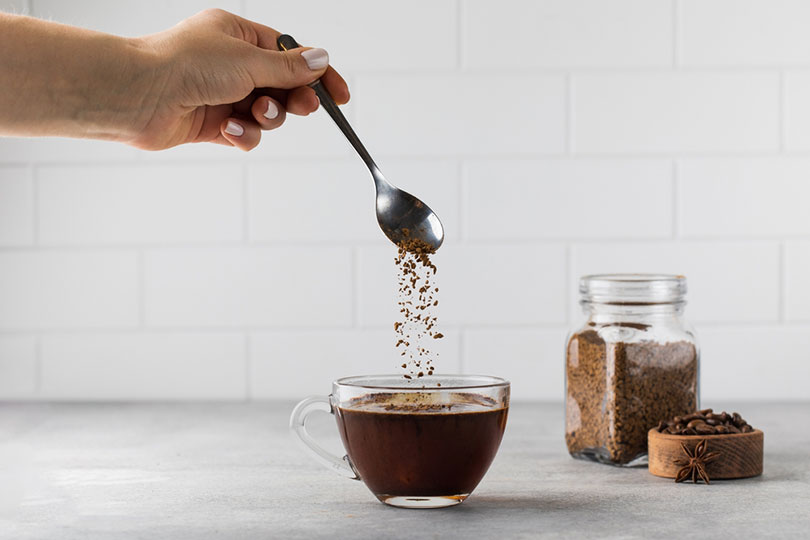
Image Credit: Kabachki.photo, Shutterstock
Types of beans
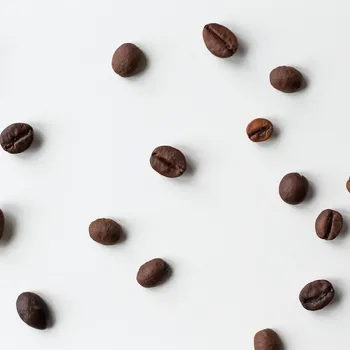
The two primary types of beans used in coffee are Arabica and Robusta beans. Robusta beans typically contain a higher caffeine content than Arabica. Here is a quick side-by-side comparison of the caffeine content between the two.
| Caffeine per bean | Caffeine per 100 grams | Caffeine per pounce | |
| Arabica | 1.9 mg | 1.2–1.5 g | 340–430 mg |
| Robusta | 2.9 mg | 2.2–2.7g | 63–770 mg |
Roast level
Contrary to popular opinion, light and dark roasts have a similar amount of caffeine per bean, but how you measure your coffee affects the caffeine in your cup of coffee. If measuring with a scoop, lighter roasts are denser, which means there are more beans packed per unit volume, and you will get slightly more beans per scoop. Measured by weight, you will get more dark roasted beans per gram because they are lighter.
Decaf Coffee
Decaf coffee still contains a small amount of caffeine. About 97% of the caffeine is removed from the coffee beans leaving it with an average of 2 mg.
Image Credit: Ioana Motoc, Pexels
Commercial Brands Caffeine Content
Commercial coffee outlets can sometimes contain a higher caffeine content. Here is a quick look at the caffeine content of a 16-ounce serving of some popular brands.
| Brand | Serving Size | Caffeine |
| McDonald’s | 16 oz | 145 mg |
| Starbucks | 16 oz | 330 mg |
| Dunkin Donuts | 16 oz | 302 mg |
| Seattle’s Best | 16 oz | 330 mg |
| Costa Coffee | 16 oz | 277 mg |
What is Caffeine & What Does It Do?
Caffeine can be found naturally in leaves and plants and many of our favorite drinks and chocolate bars. It is a stimulant that increases the circulation of cortisol and adrenaline in the body and increases brain activity. A small dose of caffeine can help keep you focused, alert, and energized, but high doses can cause anxiety and insomnia. Caffeine can be addictive, and the more you consume, the higher your tolerance will get, increasing your need for larger doses.
Conclusion
While many factors contribute to the caffeine content in your brewed coffee, a single 8-ounce cup of coffee only consists of 70-14mg of caffeine, which is a small amount of the recommended intake of 400 mg a day. So, we believe it’s safe to say that you can enjoy your morning brew along with a lunchtime kick and an afternoon pick me up and have peace of mind that your caffeine intake is nothing to be concerned about.
Featured Image Credit: Natalia Belay, Shutterstock