 Gear
Gear  Beans
Beans  Roasting
  Brewing
  Recipes


According to the statistics, over 50 percent of adults over the age of 18 in the United States drink coffee every day. The high concentration of caffeine leaves people reliant on their morning cup of joe to give them that boost of energy first thing in the morning and to keep them going throughout the day. While caffeine may have its benefits, it certainly comes with some risks, too. Understandably, those with heart arrhythmias should be concerned about coffee consumption. It is highly recommended that anyone who has a heart arrhythmia or any other heart concerns speak with their cardiologist or primary care physician before drinking coffee or any other caffeine-rich beverage. It may be safe in small amounts for some people, but because caffeine affects everyone differently, you must err on the side of caution. Read on to learn more.
Coffee’s Effect on Heart Arrhythmias
The reason for any concern regarding coffee and heart arrhythmias or other conditions is all traced back to caffeine. Caffeine is not only found in coffee, but in many other beverages and some foods including coffee, tea, soda, energy drinks, and chocolate to name a few. For many years, those with heart issues were advised by doctors to avoid caffeine since it is a stimulant. More recently, however, studies have shown that it may be safe in small to moderate amounts for most individuals. A study that was published in the American Journal of Clinical Nutrition in 2005 discovered that caffeine was only dangerous to people with Atrial fibrillation (AFib), a very common type of heart arrhythmia, at extremely high doses under extraordinary circumstances. Most individuals with AFib could tolerate moderate amounts of caffeine, as found in coffee without the fear of issues relating to their condition. It’s important to note that every person is different and anyone suffering from a heart arrhythmia or any other heart-related condition, should speak to their provider about caffeine intake and overall dietary requirements. A doctor will factor in any other conditions and your overall health when determining what works best for each patient.

Image By: Richard Balane, Pexels
What Are the Effects of Caffeine on the Body?
Caffeine is a central nervous system stimulant that also acts as a diuretic and increases the release of stomach acid. It is easily absorbed in the body and the short-term effects of caffeine are typically felt between 5 and 30 minutes following consumption. The effects tend to last anywhere from 4 to 6 hours and will vary by individual. The reason caffeine is so popular is that it can increase mental alertness and overall energy but too much caffeine can result in some negative effects.
- Increased body temperature
- Rapid heart rate
- Frequent urination
- Dizziness
- Headache
- Restlessness
- Anxiousness
- Irritability
- Hand tremors
- Insomnia
- A bout of energy followed by intense tiredness
- Digestive issues
- A rise in blood pressure

Image Credit: SB Arts Media, Shutterstock

When To Limit or Avoid Caffeine
Each person should check with their health care provider about limitations on caffeine or avoiding it entirely. Generally, it is recommended that a healthy adult does not consume more than 400mg of caffeine per day. For teenagers, no more than 100mg is recommended per day. Children are especially sensitive to caffeine and while the amounts found naturally in foods are considered safe, they should not be provided with caffeine-rich beverages such as coffee, soda, or energy drinks. There are certain health conditions or circumstances where it’s best to even further limit or avoid caffeine entirely:
Heart Arrhythmia/Cardiovascular Disease
As we discussed previously in this article, those with heart arrhythmias or any other heart conditions are advised to speak with their health care provider or specialist regarding the limitation of caffeine in association with their heart condition. While some studies may be in their favor, each person can be affected differently.
Pregnancy/Nursing
Since caffeine can increase both heart rate and blood pressure, it is advised to either severely limit or avoid caffeine if you are pregnant or nursing. Studies have also shown a correlation between moderate caffeine consumption and decreased fetal growth and lower birth weight. This is because caffeine can cause the blood vessels in the uterus and placenta to constrict, which can reduce the blood supply to the fetus, inhibiting growth.

Image Credit: komokvm, Shutterstock
Insomnia
As a central nervous system stimulant that provides an increase in mental alertness and energy, it can also lead to trouble sleeping. Caffeine may trigger insomnia in people that do not normally suffer from sleep issues. If you already suffer from insomnia or other sleep concerns, it is advisable to either limit or avoid caffeine intake. For that plan on consuming caffeine, it is recommended you do not do so before bed and limit it to certain times of the day.
Migraines/Recurring Headaches
Caffeine causes an increase in blood flow to the brain, which can put pressure on the surrounding nerves, triggering a headache. Those that suffer from frequent migraines or headaches are advised to limit or avoid caffeine to help alleviate the conditions.
Anxiety
Since caffeine is a central nervous system stimulant, it can cause an increase in anxiety and nervousness. Speak to your healthcare provider if you suffer from anxiety, as your caffeine consumption could play a role in why you are feeling so anxious.
GERD/Ulcers
While studies have been completed and shown no correlation between GERD and gastric ulcers, most caffeinated beverages are highly acidic and many people have reported worsened symptoms of both these conditions when consuming beverages with high caffeine content.

Image Credit: goffkein.pro, Shutterstock
High Blood Pressure
Caffeine naturally increases blood pressure. If you suffer from high blood pressure, you need to speak to your doctor about the potential effect caffeine could have on your blood pressure to see whether you should set certain limits or stop consuming caffeine altogether.
Certain Medications/Supplements
Caffeine could interact with certain medications or supplements, so it’s best to speak to your doctor about your caffeine intake regarding the types of medicines or supplements that are part of your current regime. Certain stimulants, asthma medications, antibiotics, and heart medications can be affected by caffeine.
Health Benefits of Coffee
While excessive caffeine consumption can have some negative effects on the body, coffee does have some great health benefits if consumed in recommended amounts approved by your healthcare provider. Here’s a look at the potential health benefits that coffee has to offer:

Image Credit: Panumas Yanuthai, Shutterstock
Cardiovascular Health
There is research that shows a link between coffee consumption and overall heart health. It has been shown that drinking 3 to 5 cups of coffee per day was linked to a 15 percent reduction in the risk of heart disease. In addition, another study showed a 21 percent decrease in the risk of stroke for those drinking 3 to 4 cups of coffee per day. Another study that included more than 21,000 individuals also found that an increase in coffee consumption showed a decreased risk of heart failure. That being said, the caffeine in coffee can raise blood pressure, so the limitation may be essential for health and well-being and should be discussed with your doctor.
Brain Health
Studies regarding coffee and brain health have yielded mixed results but some research does suggest that coffee may help protect from neurodegenerative disorders like Alzheimer’s disease, Parkinson’s disease, and overall cognitive decline.
Weight Management
Some studies have linked coffee with the alteration of fat storage and support of gut health, which are both beneficial for weight management. There have been separate studies that associated a decrease in body fat in both men and women. Those that consumed two or more cups of coffee per day were more likely to be physically active than those that drank less. Of course, more physical activity is essential for weight management. It is important to keep in mind that high-calorie, sugar-filled coffee creamers added to coffee will not assist in management goals.
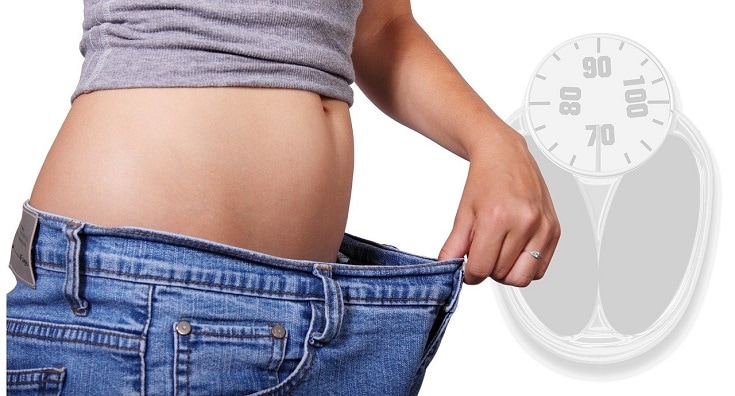
Image Credit: Tumisu, Pixabay
Liver Health
Studies suggest that coffee may support liver health and protect against liver disease. It was found that two or more cups of coffee per day were associated with lower rates of liver scarring and liver cancer in those that suffered from liver disease. Research has also shown a lower risk of death from chronic liver disease in those drinking coffee each day. There was a 15 percent lower risk in those that drank one cup per day and a staggering 71 percent lower risk in those drinking four cups per day.
Decreased Risk of Depression
There may be a link between drinking coffee and a lower risk of depression. Studies have shown a link to a lower risk of death by suicide in a study of more than 200,000 people and significantly lower risks of depression in those that drank more than one cup per day compared to those who limited intake to one cup each day.
Possible Decreased Risk of Type 2 Diabetes
Some studies suggest that regular coffee consumption may be associated with a decreased risk of developing type 2 diabetes long-term. This is believed to be due to coffee’s ability to preserve the function of the beta cells in the pancreas which produce insulin and regulate blood sugar levels. Coffee is also rich in antioxidants that may have an effect on inflammation, metabolism, and insulin sensitivity which play a role in the development of type 2 diabetes.

Conclusion
Light-to-moderate coffee consumption may be safe for those that suffer from heart arrhythmias but it’s best to speak directly with your doctor regarding caffeine consumption and any health conditions you have. Coffee does provide some impressive health benefits for many people, but excessive caffeine consumption can also lead to side effects that can wreak havoc on the body and overall health.
Sources
file:///C:/Users/llaws/Downloads/JAHA.115.002503.pdf
https://www.mayoclinic.org/diseases-conditions/heart-arrhythmia/symptoms-causes/syc-20350668
https://www.ahajournals.org/doi/10.1161/circulationaha.113.005925
https://www.heart.org/en/news/2018/09/28/is-coffee-good-for-you-or-not
https://www.webmd.com/diet/what-to-know-about-coffee-and-depression
Featured Image Credit: Basicdog, Shutterstock