 Gear
Gear  Beans
Beans  Roasting
  Brewing
  Recipes

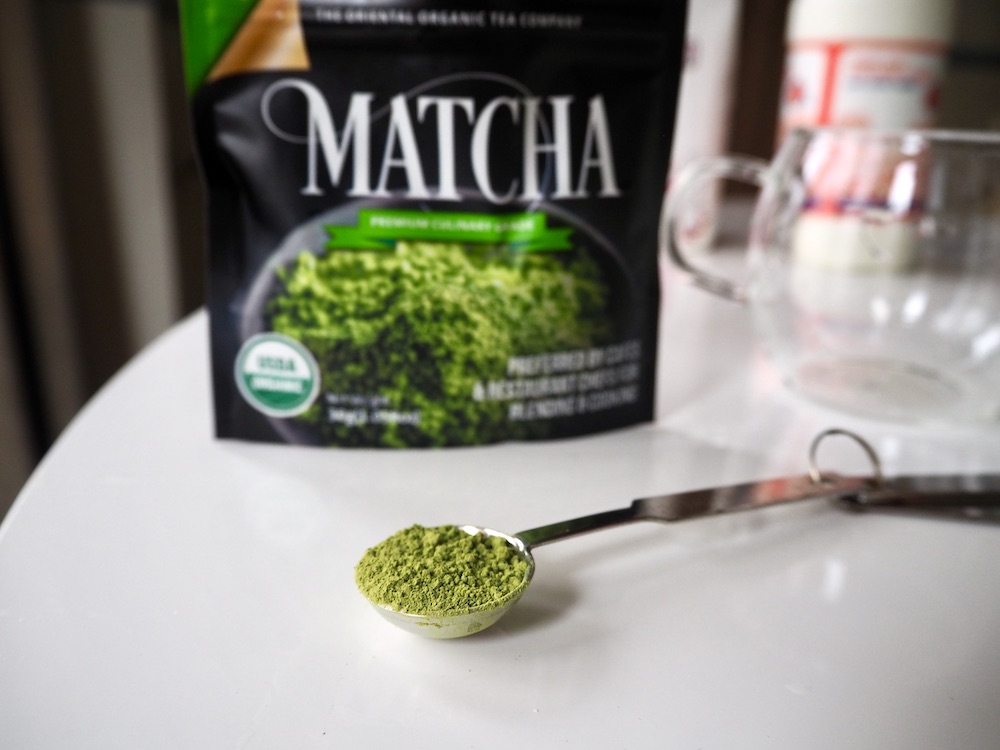
Matcha is a bit of an acquired taste, but once you get used to the unusual, somewhat bitter flavor, it is a delicious drink option. If you love green tea, you will probably enjoy matcha! But what is it, and does matcha have caffeine? We’re answering these questions today so you can decide if matcha powder is right for you. In short, yes, matcha does contain caffeine.
What is matcha?
Matcha is a form of green tea that’s very popular in Japan. It’s made with the young leaves of the Camellia sinensis (tea) plant. Matcha leaves are grown in the shade, which increases the chlorophyll in them, making them extra green. Once the leaves are picked, they’re ground into a fine powder.
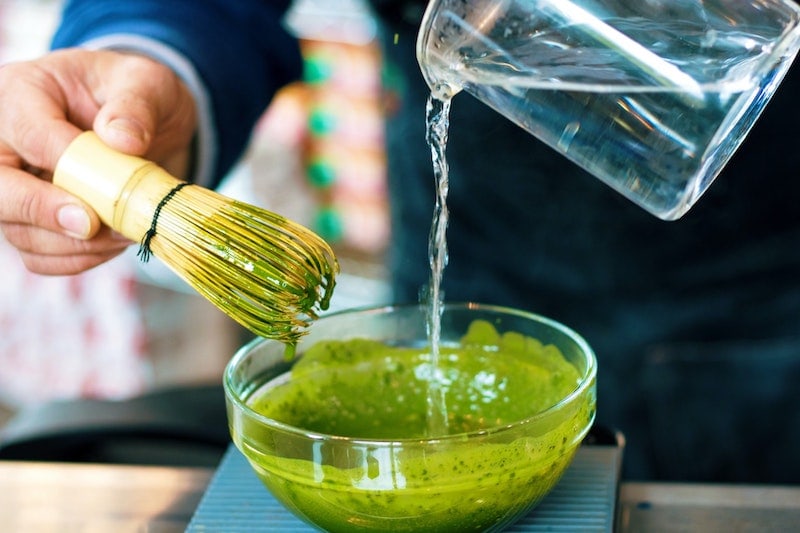
Image Credit: Unsplash
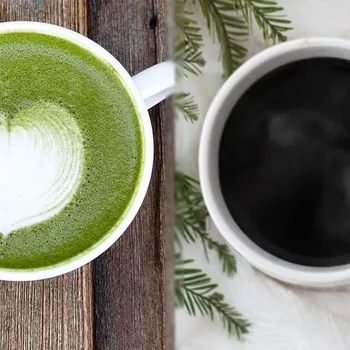
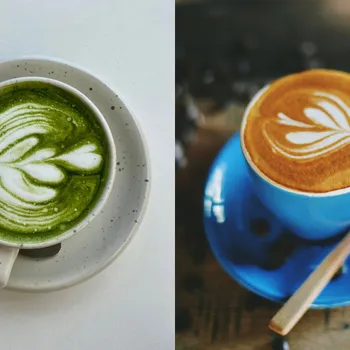
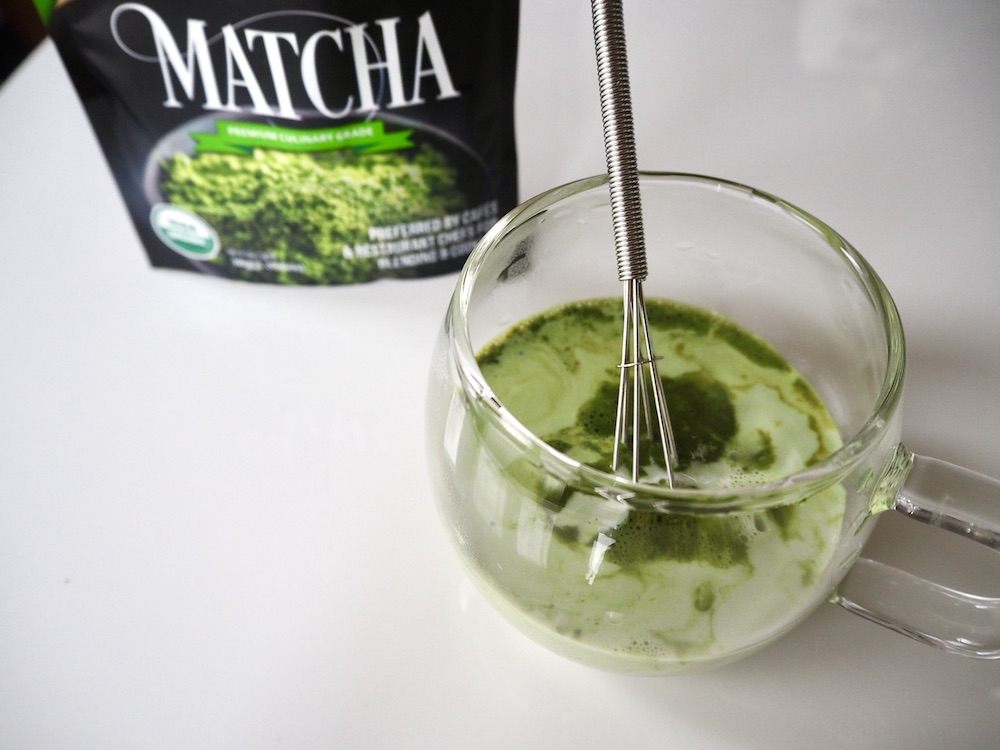
To brew a cup of matcha, you whisk the powder into hot water. For an extra-smooth cup of matcha tea, you can sift the powder first, removing any clumps. You can also make a matcha latte by whisking in steamed milk in place of water.
Does matcha have caffeine?
Matcha is made with green tea leaves, which naturally contain caffeine. According to ConsumerLabs.com, an independent product tester, the caffeine in a matcha product can vary wildly, from 17 to 109 milligrams per serving!
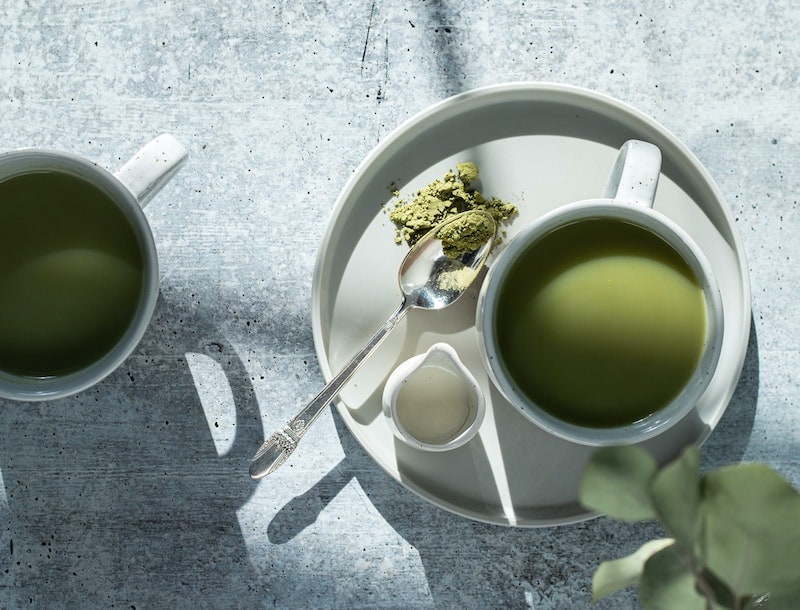
Image credit: Unsplash
That means that depending on which brand of matcha powder you buy, you could be drinking lots of caffeine -- or very little.
Does matcha have more caffeine than coffee?
Based on the numbers from Consumer Labs, matcha has an average of 63 milligrams of caffeine per serving. That’s less than brewed coffee, which has around 95 milligrams of caffeine per eight-ounce cup. It’s similar to drinking a single shot of espresso, which comes in at 64 milligrams. Learn more using our handy caffeine calculator!
Does matcha offer other health benefits?
Matcha is different from regular tea because you’re drinking the leaves themselves, instead of water that has steeped in the leaves. When you make black or green tea, you sift out the leaves. Since you’re consuming the actual leaves, you’re getting additional nutrients, including a special kind of antioxidant called catechin. Catechins may offer anti-cancer effects, along with protection from heart disease, Type 2 diabetes, and high blood pressure.

The Bottom Line
Matcha does have caffeine in it -- somewhere between 17 and 107 milligrams per serving, depending on the brand -- along with antioxidants. On average, you’ll find more caffeine in a cup of matcha than in a shot of espresso, but brewed coffee tops them both. So if you like the flavor of matcha and can handle the caffeine, it may be a good option for you! See Also: