 Gear
Gear  Beans
Beans  Roasting
  Brewing
  Recipes

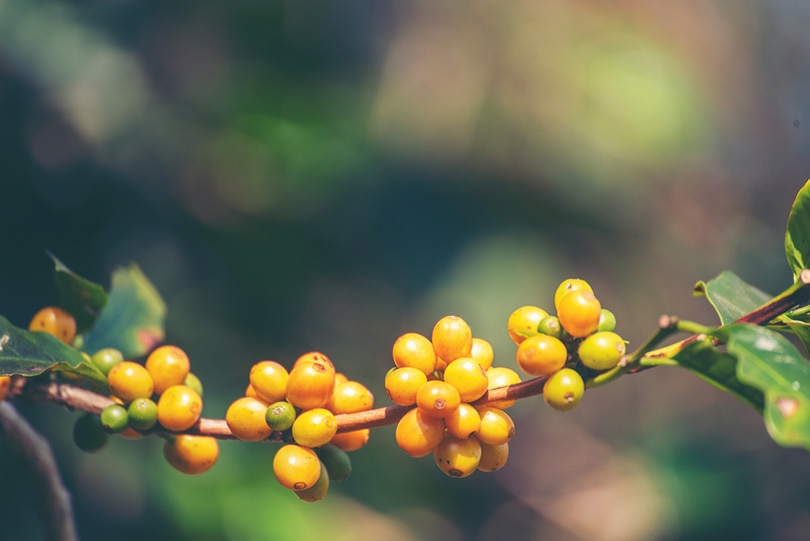
Artisan coffee is taking over the coffee world, with more people turning down the cheaper brew for a better-tasting cup. The standard for coffee quality rises each decade, especially with third-wave coffee shops showcasing globally sourced specialty coffee. For places like the Galapagos Islands, niche markets looking for premium-quality, single-origin beans are perfect for their small-lot coffee farms. Let’s look at the history and unique qualities of coffee in the Galapagos Islands:

History of Coffee in Galapagos
Coffee is not a native plant to the Galapagos Islands, so it was introduced as a crop to cultivate on the island by a coffee lover, Manuel J Cobos. He had taken the bourbon variety of Arabica plants from French Polynesia, thriving in the volcanic islands' rich soil. While coffee never took off as a huge export, it never truly died away on the island. With the rise of artisan, premium coffee, places like the Galapagos Islands can thrive on their coffee production. Specializing in smaller lots of high-quality beans, the farmers can help meet the globally increasing demand for better-tasting coffee.
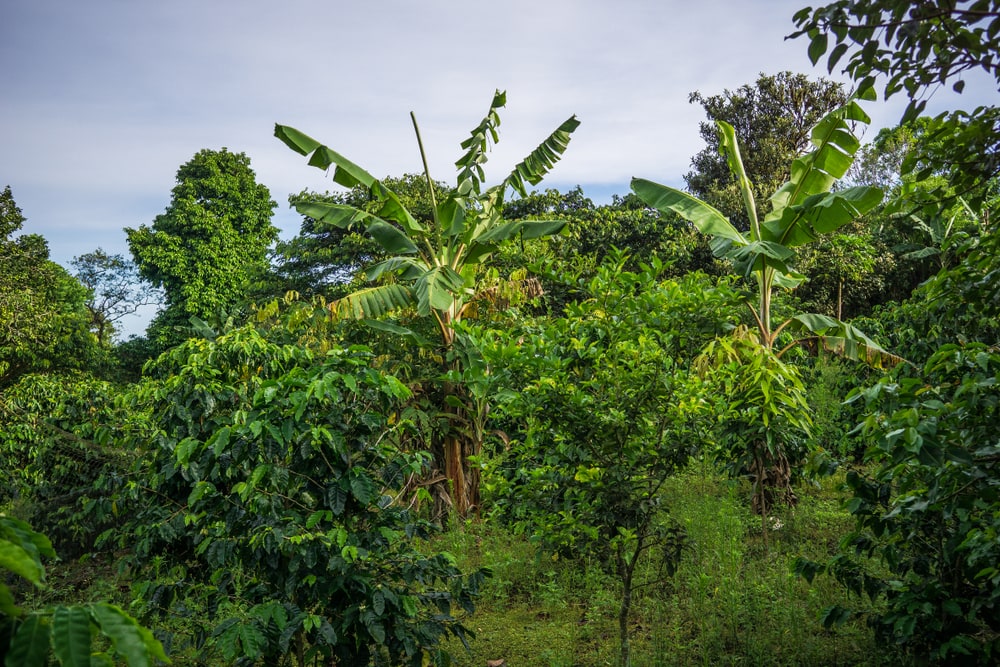
Image Credit By: Dominik Greenwood, Shutterstock
Coffee Farming in the Galapagos Islands
Coffee-Growing Regions
The Galapagos Islands have two islands that make up most of the coffee-growing regions: San Cristobal and Santa Cruz. While San Cristobal is larger and is certified as a sustainable source, Santa Cruz has a slightly higher elevation and produces similar coffee bean quality.
Farming & Harvesting
Unlike the mountainous regions of prime coffee-growing areas, most of the coffee farmlands are quite low in terms of sea level. The combination of the climate and volcanic soil makes it possible to grow Arabica beans, which are normally difficult to grow without high elevations. Harvesting begins around November to late February, which is done by hand. Most coffee in Galapagos Island goes through an all-natural dry process to remove the coffee seeds from the cherry fruits. Some areas may wash the cherries before drying, which can change the final flavors of the beans. However, the entire process is mostly minimal and retains most of the green beans’ natural flavors.
Quality over Quantity
The Galapagos Islands are not currently on the list of top coffee-producing countries, but that’s not necessarily their goal. Instead of thinking about mass production, the farmers concentrate on premium, high-quality coffee beans. By sticking to small-lot farms and smaller yields, they’re able to put a focus on the artisanal coffee niche.
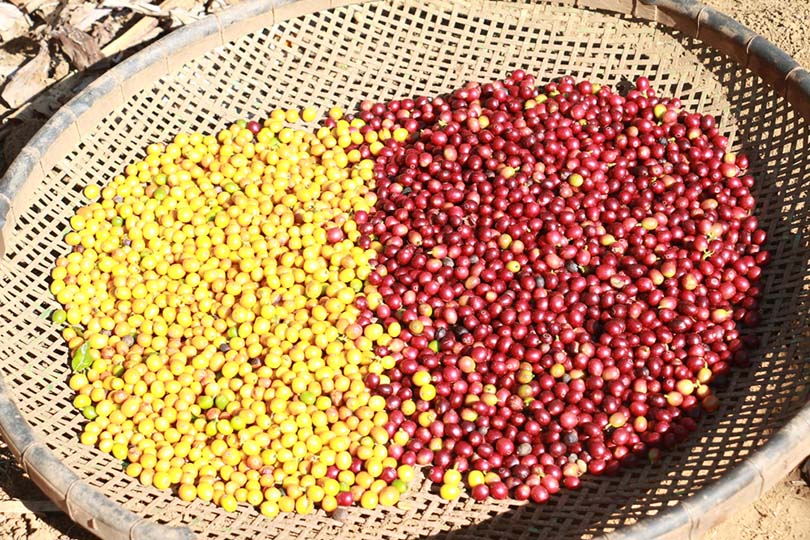
Image Credit By: Lucas Knupp, Shutterstock
Galapagos Coffee Flavor Profile
Type of Coffee Bean
The coffee farmers grow a few varieties of the Arabica bean, the most popular type of coffee bean plant. Arabica beans are a bit tougher to grow and normally need mountainous regions to flourish. However, the ecosystem and climate make the low-level farmlands of the Galapagos Islands a perfect place to grow premium coffee. The bourbon variety of Arabica bean is the most popular, but farmers grow Robusta as well.
Flavors & Notes
The Arabica plants of the Galapagos Islands farmlands tend to produce naturally sweet coffee beans with caramel-like notes. There is less earthiness and more of a floral, nutty undertone due to the growing conditions. While other countries have more earthy profiles and different keynotes, the different climates and being closer to sea level create a totally different flavor profile.
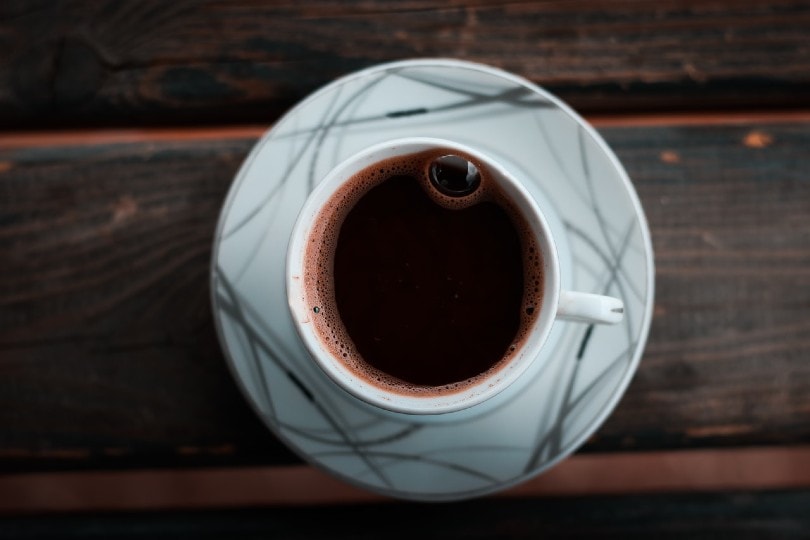
Image Credit By: Hasan Albari, Pexels
Best Ways to Brew Galapagos Coffee
Galapagos coffee does well at a medium roast, preserving the floral and fruity notes. It also accentuates the caramel notes while adding earthy undertones from roasting. It's a great coffee for filtered brewing methods, which helps reduce some of the acidity and “cleans” up the flavor. Galapagos light and medium roasts will have naturally bright acidity, which a filter brewing method will help preserve.
Espresso
Arabica beans are usually grown and sold for espresso, so it’s not surprising that espresso-brewing is probably the best method. Espresso brewing is possible at home with the right equipment, giving you the ability to make any coffee shop drink with top-notch quality coffee beans.
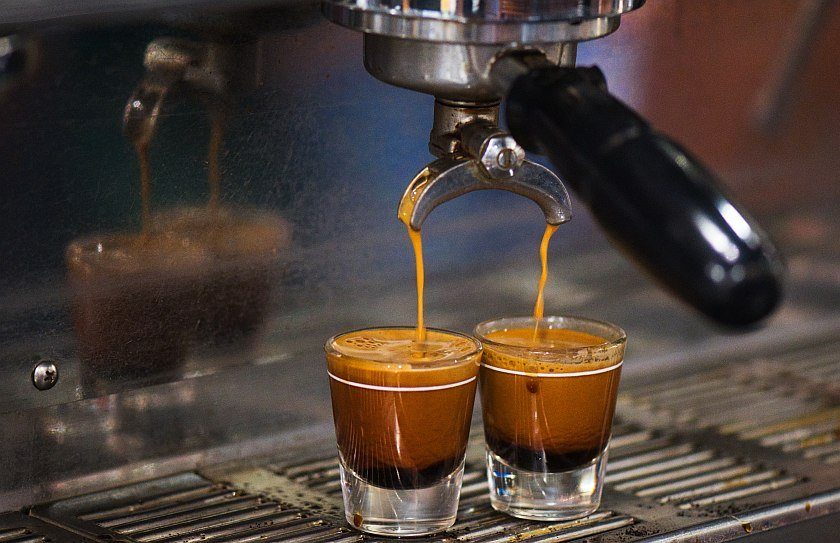
Image Credit By: Kevin Butz, Unsplash
Drip-Brew
When in doubt, make a batch of drip brew coffee. Many coffee beans and roasts can successfully make delicious drip brew coffee. If you have a good coffee maker and measure your beans well, this method can bring out all of the complex flavors of Galapagos coffee.
Cold Brew
Even though cold brew removes nearly all the acidity, it’s still a great way to brew almost any kind of coffee. It brings out the sweeter notes of Galapagos coffee beans without sacrificing other aspects of taste.

Conclusion
Coffee from the Galapagos Islands is always a high-quality type of arabica bean, featuring different notes of the bourbon coffee plants. The farms grow in small batches and create unique flavor profiles due to the fertile soils of the volcanic islands and the perfect coffee-growing climate. While it can be expensive coffee, tasting the exquisite coffee grown from San Cristobal or Santa Cruz is worth every cent.
Featured Image Credit By: afotostock, Shutterstock