 Gear
Gear  Beans
Beans  Roasting
  Brewing
  Recipes

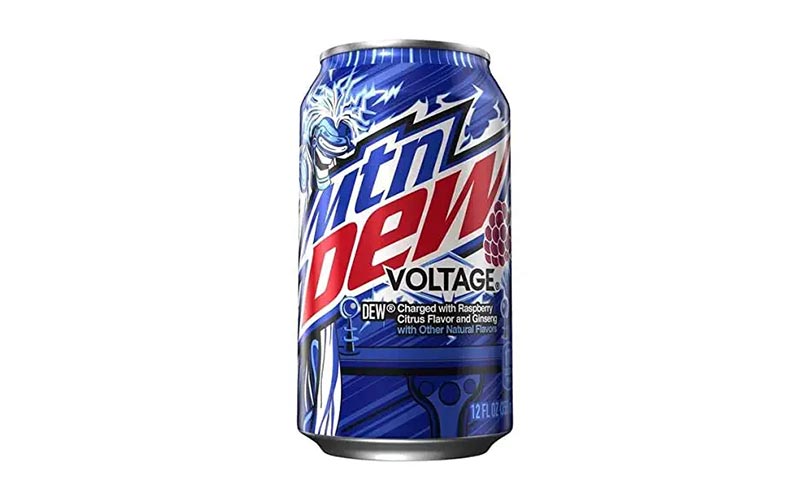
Caffeine (serving: 12 fl oz)
55 mg
Caffeine (mg / fl oz)
4.6
Calories
170
Caffeine strength
Medium
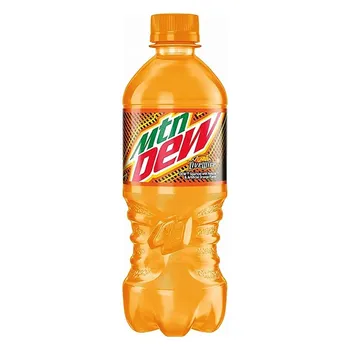
Mountain Dew Voltage is a blue raspberry citrus beverage that exhilarates and quenches thirst with its bold taste. It's a popular drink and is one of Mountain Dew’s permanent flavors. While it is not marketed as an energy drink, it contains ginseng, which can improve focus, and like most other soft drinks, it contains caffeine as well.1 While you may be cutting back on caffeine but enjoy the occasional fizzy buzz of a soda, you may wonder how much caffeine is in Mountain Dew Voltage? A 12-ounce can of Mountain Dew Voltage contains 55 milligrams (mg) of caffeine. Keep reading to find out how that compares to other drinks!
How Much Caffeine Is in Mountain Dew Voltage?
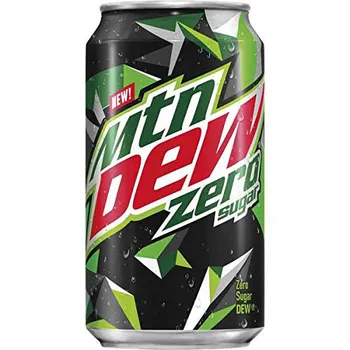
Mountain Dew contains 54 mg of caffeine per 12-ounce can but despite its energetic name, a 12-ounce can of Mountain Dew High Voltage only contains 55 mg of caffeine. A 20-ounce bottle contains 91 mg of caffeine, and a 32-ounce bottle contains 147 mg of caffeine. Mountain Dew Voltage doesn’t contain much more caffeine than other Mountain Dew flavors. When compared to other Mountain Dew products, the diet and zero sugar drinks contain the highest amount of caffeine per 12-ounce can. Here is a table comparing the caffeine content to other Mountain Dew flavors, relative to their serving size:
| Mountain Dew Drink | Serving | Caffeine Content |
| Mountain Dew | 12 oz | 54 mg |
| Mountain Dew Rise | 16 oz | 180 mg |
| Mountain Dew Amp | 16 oz | 142 mg |
| Mountain Dew Game Fuel | 16 oz | 90 mg |
| Mountain Kickstart | 16 oz | 90 mg |
| Mountain Dew Major Melon | 12 oz | 55 mg |
| Mountain Dew Baja Blast | 12 oz | 54 mg |
| Mountain Dew Code Red | 12 oz | 54 mg |
| Mountain Dew Live Wire | 12 oz | 54 mg |
| Mountain Dew Spark | 12 oz | 46 mg |
| Diet Mountain Dew | 12 oz | 54 mg |
| Mountain Dew Zero Sugar | 12 oz | 68 mg |
Why Is Caffeine Added to Soft Drinks?
Soda used to naturally contain caffeine, but it is no longer made from the same energizing plants, so why does it still have caffeine? In the past, soda manufacturers such as Coca-Cola would use kola nut and, in some cases, coca plant extract to make their sodas. The effects were very energizing, but the coca plant flavor is what they were after. What’s scary is that the same coca leaves used in soda were used in manufacturing narcotics! Regulations banned the use of coca plants in soda and people were so accustomed to the energizing effects of a bottle of soda that when food regulations changed, they had to find an alternative way to replace the caffeine in soda in order to continue providing the public with the drinks that they love. Caffeine is a stimulant and is used in drinks like coffee, tea, energy drinks, and sodas. In our fast-paced world, stimulants are more sought after, which makes soda a more appealing product. The bottom line is that many companies add caffeine to their soda because consumers enjoy its effects. Here is a table comparing the caffeine content of other popular soft drink brands:
| Popular Soft Drinks | Serving | Caffeine Content |
| Pepsi | 12 oz | 75 mg |
| Pepsi Max | 11.16 oz | 42.6 mg |
| Diet Pepsi | 12 oz | 35 mg |
| Coca Cola | 12 oz | 34 mg |
| Diet Coca Cola | 12 oz | 46 mg |
| Dr. Pepper | 12 oz | 42 mg |
| Big Fizz Cola | 12 oz | 62.4 mg |
How Does the Caffeine in Soda Compare to Other Beverages?
Mountain Dew Voltage may contain a high amount of caffeine compared to other sodas, but it’s safe to say that this refreshing, citrus drink has nothing on your morning cup of coffee. Coffee contains significantly more caffeine than most soft drinks. The caffeine content of an 8-ounce cup of coffee ranges between 95 and 140 mg. It is obvious that an energy drink would win when it comes to comparing caffeine levels of soft drinks, but with a significant difference between soda and Red Bull, you can enjoy your Mountain Dew Voltage with peace of mind.
| Caffeinated beverage | Caffeine content mg per ounce |
| Mountain Dew Voltage | 4.5 mg |
| Coffee | 11.9 mg |
| Espresso | 64 mg |
| Tea | 5.8 mg |
| Red Bull | 9.4 mg |
How Much Caffeine Is Safe?
Up to 400 mg of caffeine a day is said to be a safe amount. That is equivalent to four brewed cups of coffee. Heavy caffeine can cause unpleasant side effects, but fortunately, Mountain Dew Voltage has almost one-quarter of the recommended amount of caffeine. However, it does contain high amounts of sugar which can lead to health issues in the long term.
Conclusion
Mountain Dew Voltage doesn’t contain much more caffeine content than other Mountain Dew flavors, but it has a higher amount than most other popular sodas on the market. Mountain Dew Zero Sugar is currently the flavor with the highest caffeine content. Compared to other caffeinated beverages like coffee, tea, and energy drinks, it is significantly lower, and you can rest easy knowing you can enjoy your soda without too much concern about exceeding your daily caffeine intake. See Also: