 Gear
Gear  Beans
Beans  Roasting
  Brewing
  Recipes

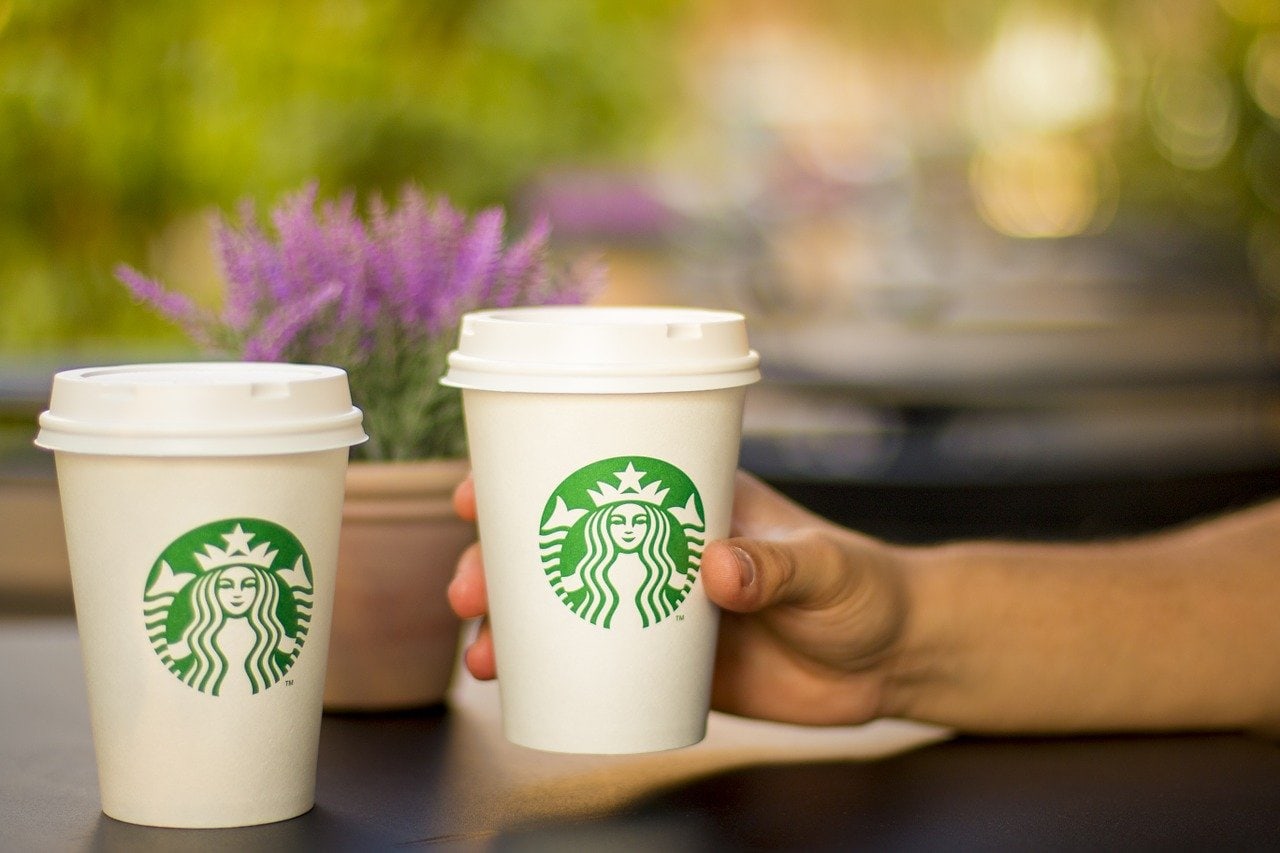
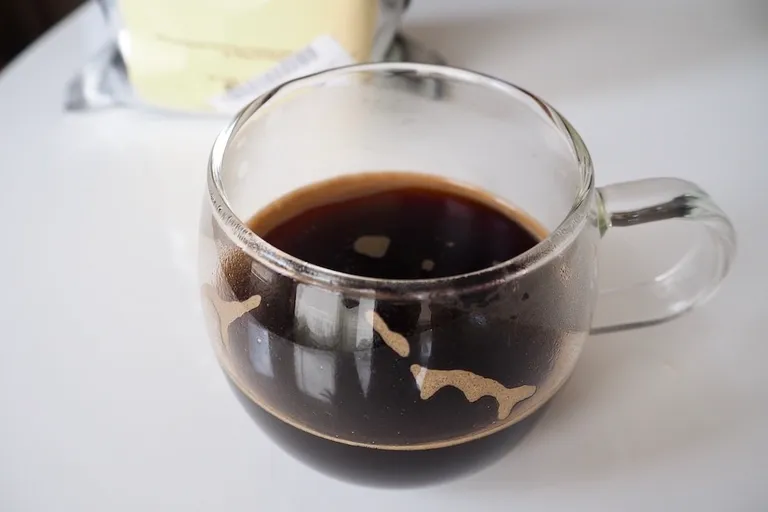
Ordering decaf coffee means you're trying to avoid caffeine or at least lower your intake. But did you know that decaf and caffeine-free aren't necessarily the same thing? While a caffeine-free tea naturally doesn’t contain caffeine, decaf coffee has gone through a process to become decaffeinated that isn't 100% effective. According to the USDA, coffee can still be considered decaf with up to 3% of its caffeine intact.1 That means a trace amount still leeches into your cup, which can stack up depending on how much coffee you drink overall. One popular decaf coffee is from Starbucks. But as you just learned, this coffee isn’t 100% free of caffeine. In short, there are about 15 mg of caffeine in a Tall Starbucks Decaf. Keep reading to learn more about how much caffeine is in a tall Starbucks.
How Does Coffee Become Decaffeinated?
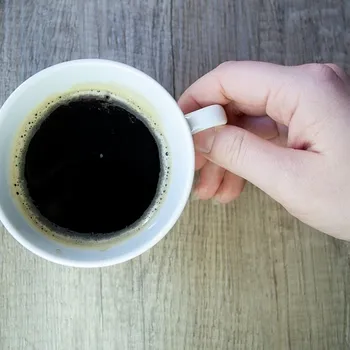
All coffee beans contain caffeine, but there are two ways to strip the beans of this naturally occurring property. The first method is the most commonly used and involves a chemical wash that pulls the caffeine off the beans. This is probably the way your decaf beans were processed unless the bag specifically says they were Swiss water processed, which is the second and healthier method that uses water to extract the caffeine.
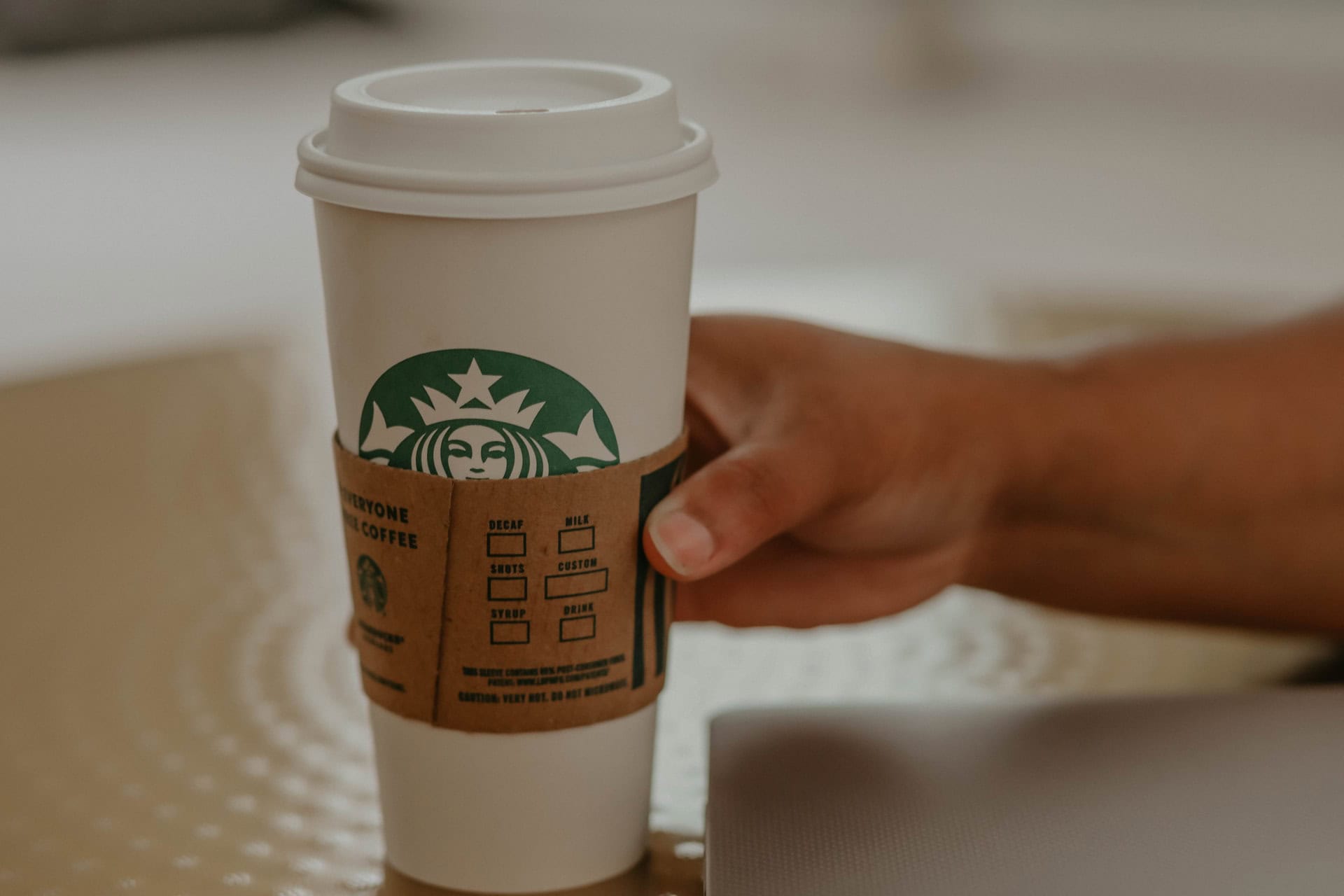
Image Credit: Kadarius Seegars, Unsplash
How Does Starbucks Decaf Coffee Compare to Other Popular Starbucks Drinks?
While not 100% caffeine-free, a decaf cup of Starbucks coffee contains considerably less of the stimulant than their other popular drinks. A tall 12-oz. cup of Starbucks decaf coffee contains around 15 mg of caffeine, which seems like a lot for decaf until you compare it to the 180 mg found in a caffeinated cup the same size. Here is how some other popular Starbucks drinks stack up to their decaf brew:
| Starbucks Drinks | Caffeine per mg |
| Tall cup of Starbucks decaf coffee | 15 mg |
| Tall cup of Starbucks regular coffee | 180 mg |
| Standard Single Shot of Espresso | 63 mg |
| Single Shot of Espresso at Starbucks | 75 mg |
| Starbucks DoubleShot Espresso | 120 mg per 6.5 fl. oz. can |
| Starbucks Cold Brew Coffee | 155-360 mg |
How Does Starbucks Decaf Coffee Compare to Other Coffee Options?
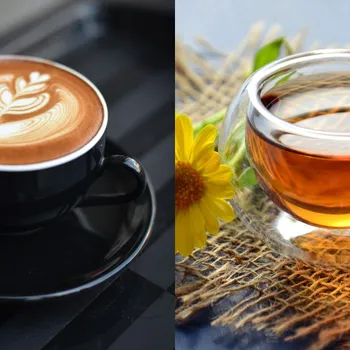
It should also be noted that Starbucks coffee (and other restaurant coffee brands) tends to be more caffeinated than the cup you're probably brewing at home. In general, a cup of home-brewed coffee contains 70-140 mg of caffeine if it's regular and around 0-7 mg of caffeine if it's considered decaf. However, that depends on the beans and the brewing method. For example, a light roast is more heavily caffeinated than a dark roast coffee. Cold brew is more caffeinated than drip coffee because the beans sit in the water for at least 24 hours before serving.
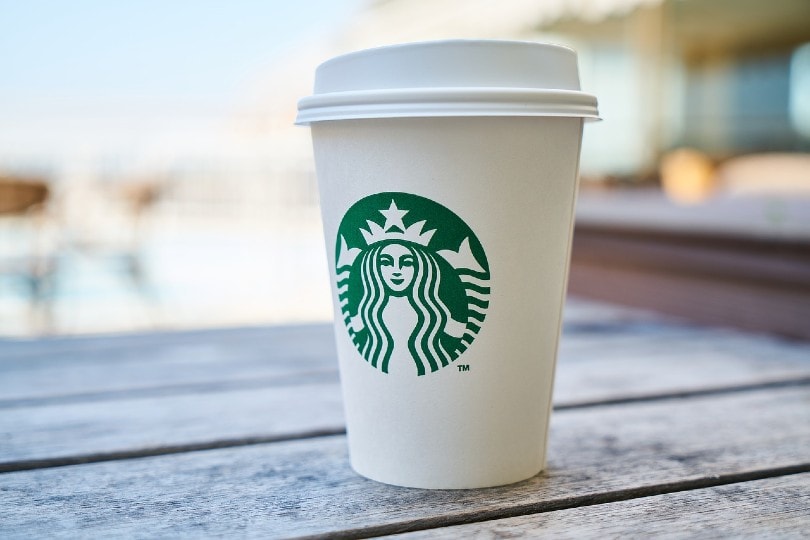
Image Credit: Engin Akyurt, Pixabay
How Much Caffeine Should I Consume Each Day?
The FDA recommends that the average adult consume 400 mg of caffeine or less each day. If you only drink Starbucks decaf coffee, it would take about 26 tall cups to reach your daily limit! Of course, this is probably not a serious concern, so the only reason you'd need to watch your caffeine amounts with decaf is if you also drink caffeinated coffee or if you need to avoid caffeine for individual health concerns.
What Are Some Truly Caffeine-Free Options for Me?
While decaf coffee doesn't have much caffeine, it still does contain some. If you're intolerant to caffeine or seeking to avoid it altogether, here are some drinks that might be a better fit for you than decaf coffee:
- Sparkling water
- Herbal tea
- Caffeine-free soda
- Fruit juice
- Lemonade
None of these drinks go through a decaf process because they don't contain natural sources of caffeine like coffee does. Therefore, they don't even have a hint of caffeine and are the safer choice if you're looking to completely cut it out of your diet.

Conclusion
Under USDA guidelines, decaf coffee can still contain up to 3% caffeine. For most people, this low amount shouldn't keep them awake at night. However, if you're super sensitive to caffeine, you might want to consider a caffeine-free alternative such as herbal tea or lemonade that never contains any caffeine to start with.
Sources
https://www.healthline.com/nutrition/how-much-caffeine-in-coffee#TOC_TITLE_HDR_4
https://www.businessinsider.com/is-there-caffeine-in-decaf-coffee-2017-9
https://www.healthline.com/nutrition/caffeine-in-decaf#what-it-is
https://www.fda.gov/consumers/consumer-updates/spilling-beans-how-much-caffeine-too-much
https://www.ams.usda.gov/sites/default/files/media/CID%20Coffee.pdf
Featured Image Credit: Pexels, Pixabay