 Gear
Gear  Beans
Beans  Roasting
  Brewing
  Recipes


Keurig coffee makers do a great job brewing black coffee at the push of a button. But sometimes you’re craving espresso. What to do? Before you head for your favorite coffee shop, we have a solution. The good news is that your Keurig brewer can make something close to espresso! Here is how to make espresso with Keurig coffee makers in 5 simple steps. Get ready for a delicious cup of strong coffee:
Does Keurig Make Espresso?
Before we jump into the recipe, we have an important question to answer: does Keurig make espresso? The answer is not really. Most Keurigs are designed to brew regular coffee, so you will only be able to approximate espresso. Espresso machines combine hot water and high pressure to produce espresso, and Keurig machines don’t use pressure.
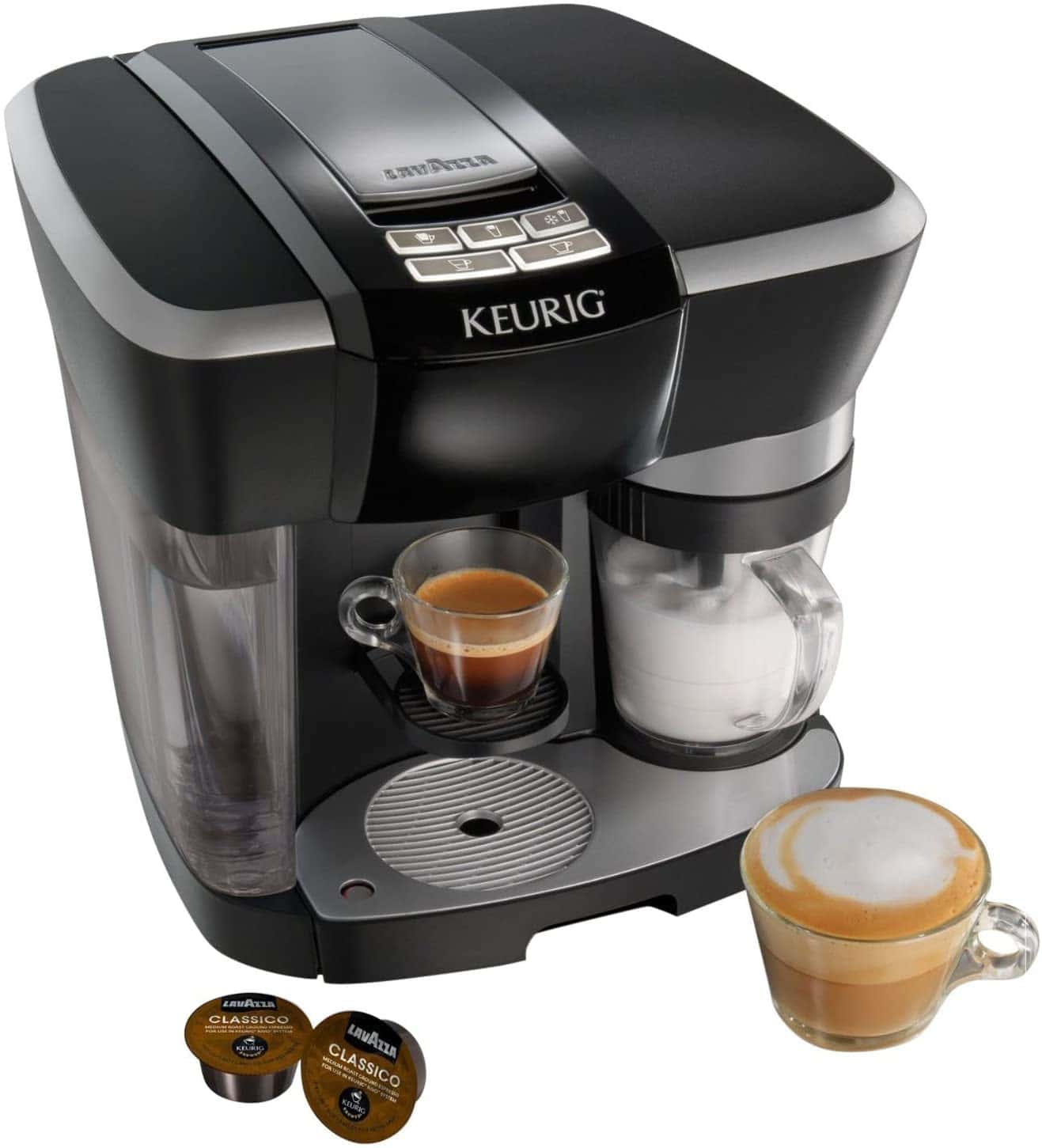
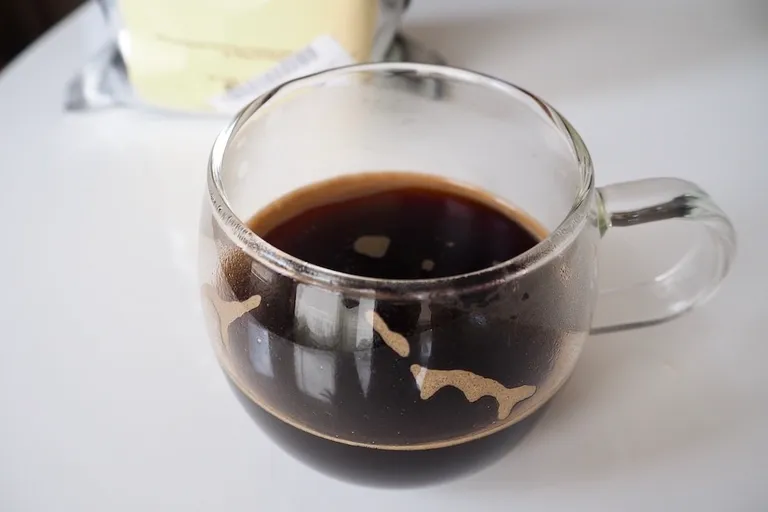
There is one kind of Keurig machine that makes real espresso. It's called the Keurig Rivo and it is designed to make lattes and cappuccinos. If you opt for this pricey model, you'll have a milk frother and the ability to make short and lungo shots of espresso. Instead, we’re making small cups of concentrated coffee -- which will taste somewhat like espresso. You’re unlikely to get a lot of crema, the distinctive foam that tops espresso shots, though you may see a little. Still, if you're wondering how to make espresso with Keurig, we have the simple steps:
How to Make Espresso with Keurig:
Pros
- Strong, dark K-Cups
- Water
Cons
- Keurig machine (We’re using a Keurig Mini)
- Full-size coffee cup
- Espresso cups
1. Choose the right K-Cups.
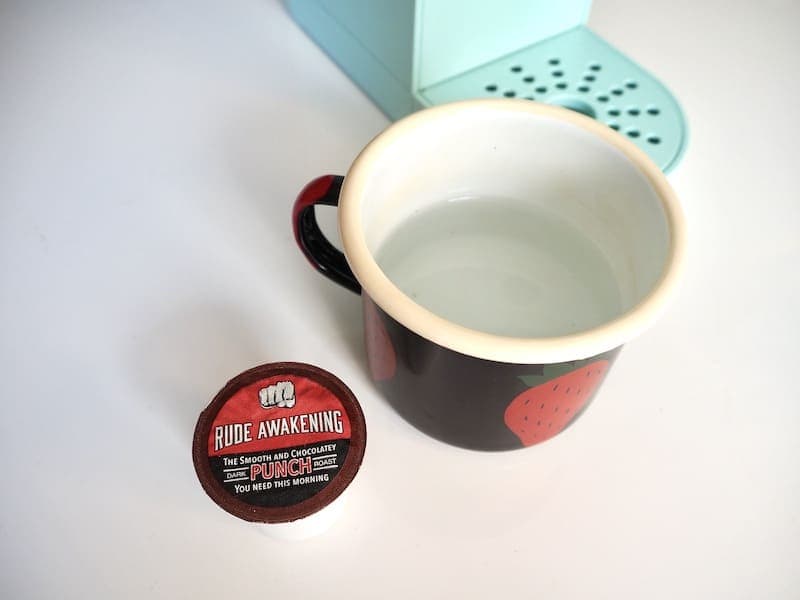
If you want to approximate espresso, dark and strong K-Cups will work best. The classic espresso flavors are bold dark roasts, so we recommend choosing a delicious dark roast, like Rude Awakening's chocolatey K-Cups. Need some recommendations? Choose from our list of the 10 best espresso K-Cups!
2. Use your machine’s smallest cup size.
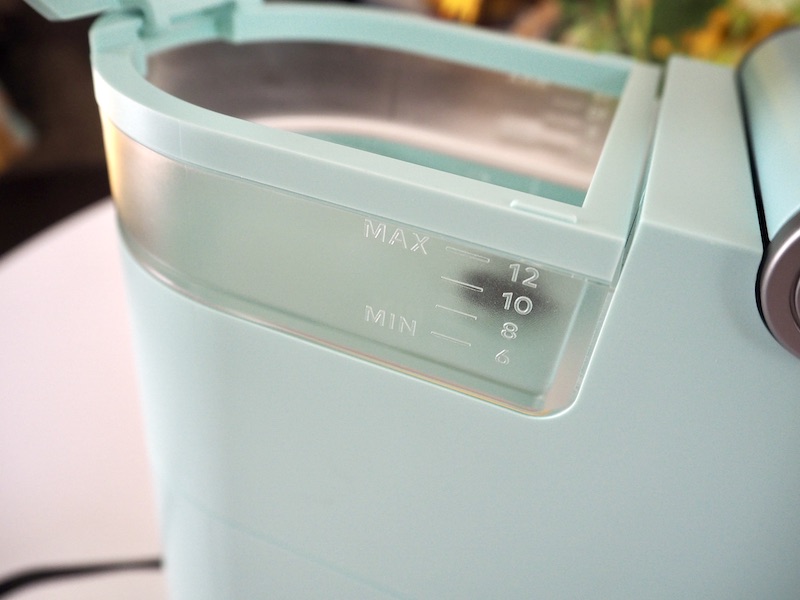
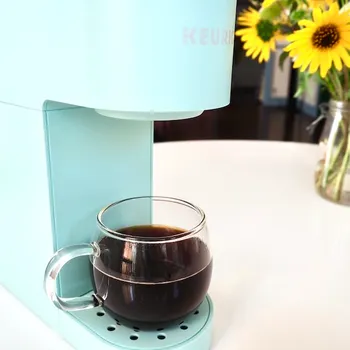
The typical coffee-to-water ratio for espresso is 1:2, meaning that you use one part of coffee for every two parts of water. To approximate this, you’ll want to use your Keurig’s smallest possible amount of water. In our Keurig Mini, that means pouring 6 ounces of water into the reservoir. In other models, you can choose the smallest cup size button.
3. Place a cup under the brew head and press the brew button.
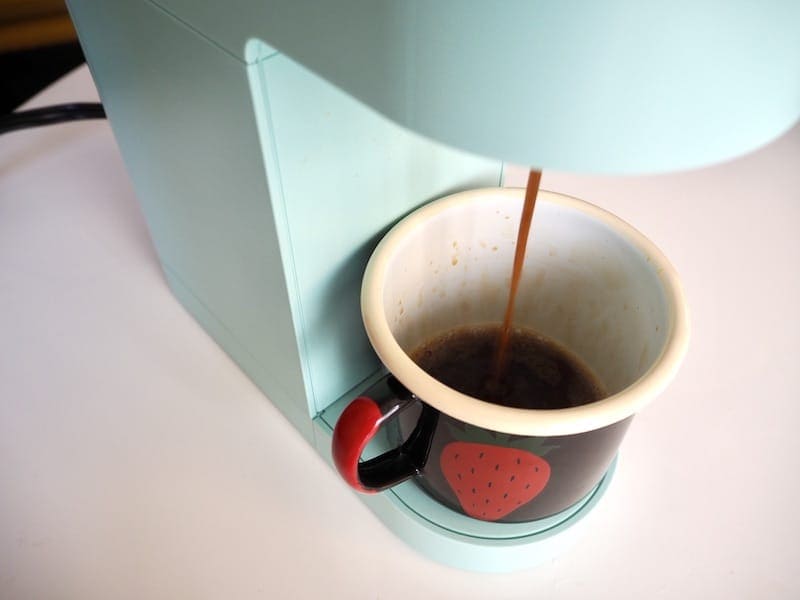
We recommend using a larger cup to catch the coffee. Espresso cups are cute, but they won’t work as well for a Keurig -- you may get splashes or overflows. Once your coffee has brewed, you can pour it into an espresso cup.
4. Pour the coffee into espresso cups.

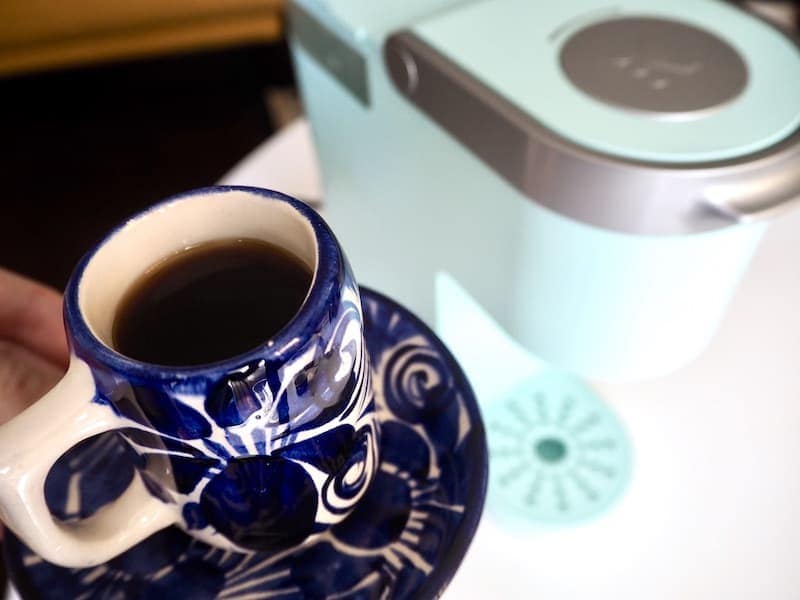
To really make your coffee feel like espresso, pour it into espresso cups. You won’t have a lot of crema, but the small cups will feel more like espresso.
5. Serve and enjoy!
We hope you enjoy your small cup of espresso-like coffee. It may not be real espresso, but it will still be delicious and caffeinated. What more do you need?
How to Make Espresso with Keurig
If you love espresso but don't want to find a coffee shop, we have great news for you: you can make espresso with Keurig machines! Pull out your handy Keurig coffee maker and get ready for a tasty shot of rich espresso.
Prep time
5 min
Cook time
6 min
Total time
11 min
Equipment
- Keurig machine (We’re using a Keurig Mini)
- Full-size coffee cup
- Espresso cups
Ingredients
- Dark roast K-Cups
- Water
Instructions
- If you want to approximate espresso, dark and strong K-Cups will work best. The classic espresso flavors are bold dark roasts, so we recommend choosing a delicious dark roast.
- The typical coffee-to-water ratio for espresso is 1:2, meaning that you use one part coffee for every two parts water. To approximate this, you’ll want to use your Keurig’s smallest possible amount of water. In our Keurig Mini, that means pouring 6 ounces of water into the reservoir. In other models, you can choose the smallest cup size button.
- We recommend using a larger cup to catch the coffee. Espresso cups are cute, but they won’t work as well for a Keurig -- you may get splashes or overflows. Once your coffee has brewed, you can pour it into an espresso cup.
- To really make your coffee feel like espresso, pour it into espresso cups. You won’t have a lot of crema, but the small cups will feel more like espresso.
- We hope you enjoy your small cup of espresso-like coffee. It may not be real espresso, but it will still be delicious and caffeinated. What more do you need?
Keurig Espresso: Conclusion
We hope this guide helps you learn how to make espresso with Keurig machines -- or at least, how to approximate espresso. Single-serve Keurig machines excel at drip coffee, and you can make all kinds of tasty varieties with almost no effort or cleanup. If you want espresso, you may want to consider the Keurig Rivo, which offers 15 bars of pressure. If you want to use a model you already have, you can make the strongest possible drip coffee as an espresso replacement. Either way, we know you’ll enjoy your morning cup of joe! Time to buy an espresso machine? We can recommend budget espresso machines, Italian espresso makers, portable espresso machines, and more! ANOTHER RECIPE TO TRY: How to Make a Keurig Iced Caramel Macchiato (Delicious!)